


FTA Relaxes Requirements for Public Transit Authorities Due to COVID-19
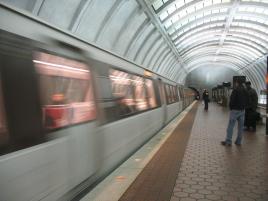
Here in the nation’s capital, we generally grow accustomed to reports every year about budget shortfalls facing our local public transportation providers that could drastically impact services. In most years, adjustments are made to maintain the general framework of consistently moving people around town. This, however, was before COVID-19.
Subway and bus ridership here the D.C.-area, as well as nationwide, has plummeted throughout 2020, and the effect on transportation authorities has been disastrous. Meanwhile, these authorities have struggled to complete planning and certification efforts due to the pandemic. That’s why we were glad to see that the Federal Transit Administration (FTA) last week took steps to improve access to grant funding and provide relief from certain regulatory and administrative requirements. The agency will extend access to emergency relief funding for operations and allow more time for transit agencies to meet regulatory requirements for the Public Transportation Agency Safety Plan (PTASP), Public Transportation Safety Certification Training Program (PTSCTP) regulations and other reporting and compliance reviews.
“We understand that many transit agencies are experiencing disruptions to normal operating procedures during the COVID-19 public health emergency,” according to FTA Deputy Administrator K. Jane Williams. “FTA is taking these actions to ensure transit agencies can continue to prioritize their resources toward ensuring the safety of their employees and riders during this time.”
FTA extended the eligibility for formula funding under the Emergency Relief Program to be used to pay for operating expenses. Funding may now cover operating expenses related to COVID-19 recovery through Jan. 20, 2022, at 100% federal share. FTA also will refrain from taking enforcement action on grant recipients regarding the PTASP and PTSCTP regulations through July 20, 2021, and Aug. 20, 2022, respectively.
Any assistance for these public transit authorities is welcome news during these trying times. We look forward to the days when we can board a packed subway train safely again, whenever that will be.

