


Administration Pushes to Convert Empty Office Buildings Into Homes
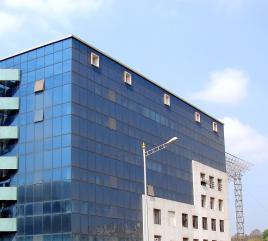
They say “home is where the heart is.” To some, they may envision a house with the white picket fence in the suburbs. To others, home may mean living in a structure that once was used by a commercial organization.
Last week, the Biden administration promoted actions aimed at supporting the conversion of high-vacancy commercial buildings to residential use to promote the availability of affordable housing near transit and jobs. As more people are working from home, office and commercial vacancies nationwide have reached 30-year highs, while the number of affordable residential housing units are shrinking. As part of the White House Supply Action Plan, federal agencies are taking the following actions:
- The Department of Housing and Urban Development (HUD) has issued an updated notice to Community Development Block Grant (CDBG) grantees and its field office staff explaining how CDBG funds can be used to boost housing supply — including the acquisition, rehabilitation, and conversion of commercial properties to residential uses and mixed-use development. HUD is also increasing outreach efforts to support municipalities and developers seeking to use HUD tools to finance conversions. State and local governments can access up to five times their annual CDBG allocation in low-cost loan guarantees to fund projects such as the conversion of properties to housing or mixed-use development. HUD is also accepting applications for the $85 million Pathways to Removing Obstacles to Housing program, which includes the development of adaptive reuse strategies and the financing of conversions as eligible activities. Funding from HUD’s HOME Investment Partnership and Housing Trust Fund also can be used to support conversion of commercial buildings for housing.
- The Department of Transportation (DOT) is releasing guidance that makes it easier for transit agencies to repurpose properties for transit-oriented development and affordable housing projects, including conversions near transit. Under the new guidance, transit agencies may transfer properties to local governments, non-profit, and for-profit developers of affordable housing at no cost. Funds from DOT’s Neighborhood Access and Equity Program also can be used for projects that improve transportation and associated land use.
Other agency grant programs that can support the conversion of commercial property to residential use include the Department of the Treasury’s State and Local Fiscal Recovery Fund and the Environmental Protection Agency’s Greenhouse Gas Reduction Fund programs.
“The White House is encouraging all state, local, tribal and territorial entities to identify all available public tools and land disposition opportunities to facilitate conversions,” according to a White House fact sheet addressing the initiative. It also has released a guidebook discussing available federal resources to assist in converting commercial property to residential units.
An empty building void of office workers serves no purpose. Making it available for housing is a worthwhile endeavor.
Join us for our following Thompson Grants events:
Thompson Grants Workshop: Procurement | Nov. 16, 2023 | Virtual Event
Federal Grants Forum | Dec. 6-8, 2023 | San Juan, P.R.

